Date:March 29, 2026
Author: Wayne J. Edwards
In 325 A.D., the Council of Nicaea separated the celebration of the Christian resurrection from Passover, anchoring it to the first Sunday after the first full moon following the vernal equinox. This linked it to the pagan fertility festival of “Easter,” blending biblical truth with pagan traditions. The main motivation was to create a unified Christian practice independent of Jewish influence. Emperor Constantine advocated for this separation, stating, “Christianity would have nothing in common with the Jews.”
However, whether Constantine was a “true” Christian is debated, as he likely merged personal belief with political pragmatism. While he stopped the persecution of Christians, built physical churches, and favored Christianity, seeing it as a force for unity and peace within the empire, Constantine retained his commitment to pagan elements, such as the worship of Sol Invictus (the Unconquered Sun).
Beloved, Christianity was born as a Jewish messianic movement, centered on the life, death, and teachings of Jesus of Nazareth, a Jewish Rabbi. With the exception of Luke, the original apostles were Jewish and adhered to Jewish traditions, culture, law, and the seven Jewish feasts.
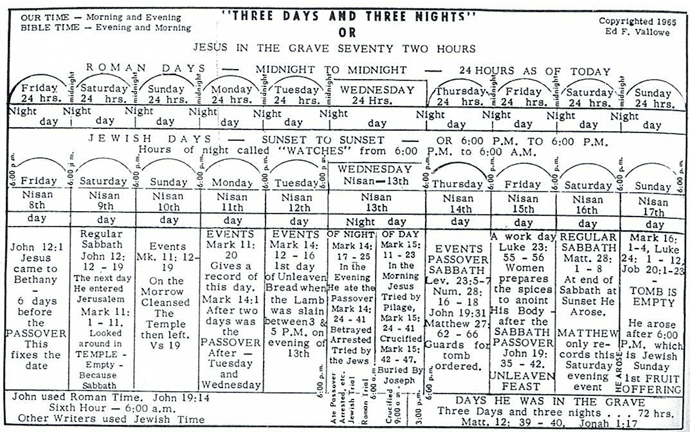
By moving the date away from the 14th of Nisan (Passover), the church broke from the biblical timeline. This decision weakened the theological connection to Jesus as the fulfillment of the Passover Lamb and diminished the Lord’s physical resurrection as the fulfillment of the Feast of Firstfruits.
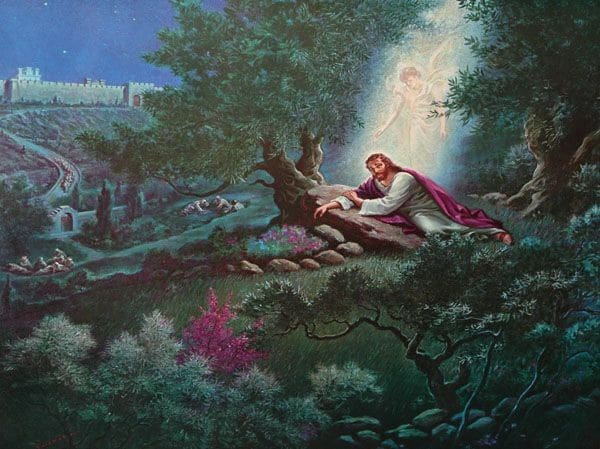
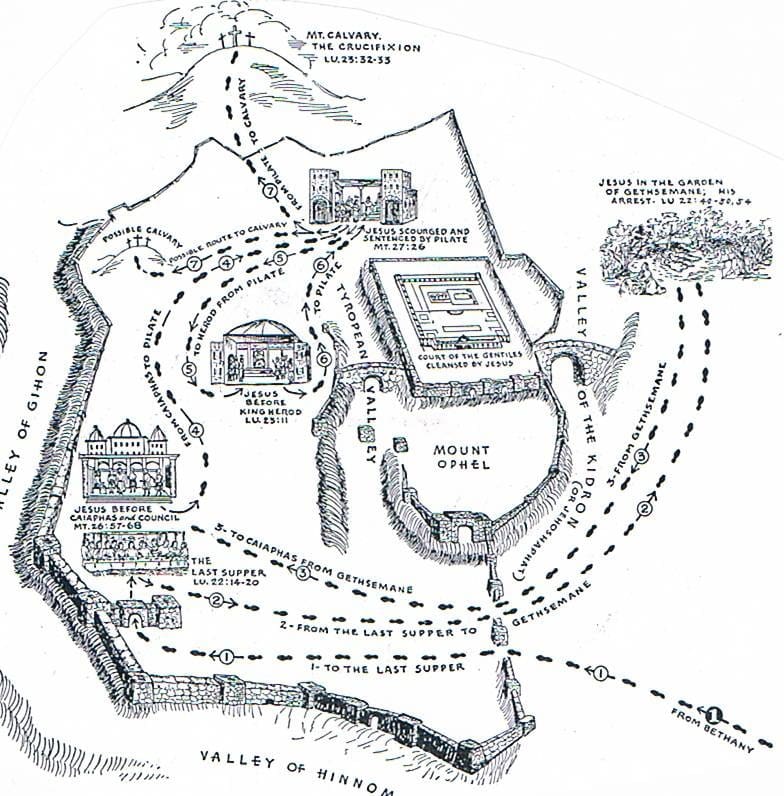
The title of this sermon is: “Jesus’ Journey to Jerusalem – From Gethsemane to Golgotha.”
Thank you for your continued support. Please share these guides with anyone who may find them helpful.
Download the following translated Sermon guides: